
SMA vs MCX vs MMCX: How to Choose the Right RF Connector
SMA, MCX, and MMCX all show up constantly in RF designs, and they are often lumped together as "small RF coaxial connectors" -- but they differ enough in size, durability, and typical use case that picking the wrong one usually shows up later as a mechanical fit problem, not an electrical one.
Size and Mounting Are the First Filter
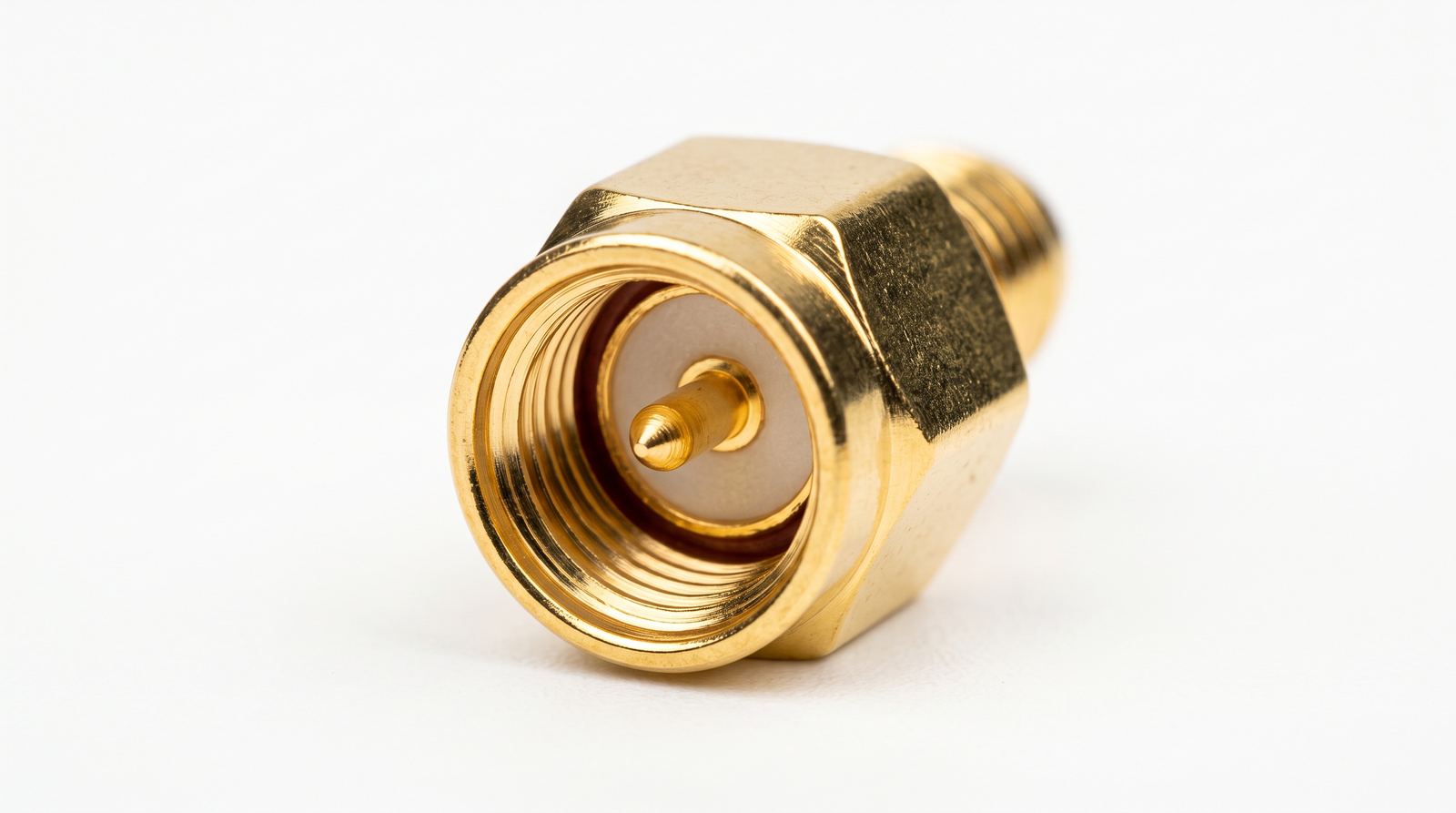
SMA is the largest of the three and threaded, giving it strong mechanical retention and repeatable performance up into the low tens of GHz depending on the specific series. MCX and MMCX are both snap-on (no threading), miniaturized for space-constrained boards -- MMCX is smaller again than MCX and is common inside compact modules like GPS receivers and small antennas.
Mating Cycles and Retention
SMA's threaded coupling gives it the highest mating-cycle durability and resistance to vibration loosening, which is why it dominates test equipment and lab setups. MCX and MMCX snap connections mate/de-mate faster but have lower rated mating-cycle life and are more sensitive to cable strain relief in the design.
Typical Application Fit
SMA fits bench equipment, base stations, and any design where the connector is mated and unmated many times over its life. MCX suits internal board-to-board or board-to-cable RF links inside consumer and telecom devices. MMCX fits the tightest spaces -- GPS modules, small IoT antennas, and wearable RF links.
Start from your available board space and expected mating-cycle count, then confirm frequency range and impedance match your signal -- size and durability, not raw electrical spec, are usually what actually decide between these three families.
You May Also Need
For detailed datasheets or cross-reference comparisons for this series, please contact our technical team.